In a remarkable military development, long-range attack drones entered combat service with the Yemeni Armed Forces, carrying out a series of strikes targeting sites belonging to the Houthi militia in the vicinity of the hijacked capital, Sanaa, in an operation that the "Sheba Intelligence" agency said represents the first documented combat use of this system. The strikes focused on sites of military value, including air defense systems, weapons depots, and facilities linked to drones and missiles in mountainous areas overlooking Sanaa, reflecting the nature of the targets selected in the operation. What was remarkable about the operation was not only the drones reaching the vicinity of the hijacked capital, but also the appearance of one of them in the sky of Sanaa during daylight hours, where residents were able to film it, before "Sheba Intelligence" identified it as the "Sky Wasp" long-range one-way attack drone, which the agency had previously linked to the emerging drone program of the Yemeni government forces. Data indicates that the operation carried, in addition to its offensive dimension, a potential intelligence aspect; the drone's flight path and monitoring the air defense response may allow the gathering of information on detection and interception mechanisms and their deployment sites, helping to build a more accurate picture of the Houthi defense network. Observers believe that the significance of the operation goes beyond the scope of the strikes carried out around Sanaa, revealing a gradual transition in aerial confrontation tools with the entry of long-range strike capabilities into the battlefield, and their ability to reach deep into areas stricken by the militia and target facilities linked to its most important missile and air capabilities. Recruitment Difficulties The Houthi militia faces increasing difficulty in attracting new recruits; in the governorates upon which it relied for recruitment drives, signs of reluctance to join its ranks are mounting, coinciding with escalating human losses within its ranks, making it difficult for it to compensate for its personnel losses. This difficulty does not seem isolated from recent field developments, especially with the expanding scope of government forces' use of drones to track militia elements and vehicles and target their gatherings and positions across various fronts. During August 2026, government drones appeared repeatedly in footage published by the Armed Forces Media Center, tracking Houthi vehicles and targeting gatherings and fighters on more than one front, with operations encompassing areas in Marib, Taiz, Saada, and Hajjah, while other footage showed the targeting of Houthi vehicles and gatherings on the West Coast, alongside operations in Al-Dhalea, Al-Bayda, and other fronts. The significance of these operations lies not merely in the scale of losses announced by government forces following each strike, but in their direct impact on the militia's manpower and its ability to maintain its fighters on the frontlines. The continuation of aerial surveillance and targeting raises the level of danger faced by the militia's elements, makes movement and positioning at sites more difficult, and increases the pressure it faces in retaining its fighters and replacing its human losses. Well-informed sources told "Al-Sahel Al-Gharbi" that the footage broadcast by the Yemeni Armed Forces of targeting operations has become present in the conversations of recruits and local mediators, and that seeing vehicles targeted from the air provokes fear among some youths being recruited to join the militia's ranks. The sources confirm that fear is no longer tied to what a youth hears about the perils of fighting, but rather to what he sees directly in recordings showing how militia fighters and vehicles are tracked and targeted. Thus, the drone has transformed from a combat tool into a psychological factor as well; a recruit who knows that his movement may be monitored and that the military pickup he rides in could become a target faces a different level of pressure compared to someone fighting on a front where his adversary lacks continuous surveillance and targeting capabilities. Analyses have shown that footage from government drones, particularly operations tracking moving targets, carries a tactical and psychological impact on the frontlines. This comes at a time when the militia is attempting to compensate for its human losses through new recruitment drives in several governorates, yet the heightened level of danger at the fronts makes the recruitment process more difficult; the youth who is asked to go to the fronts can today see for himself the type of operations awaiting him, and can compare the false promises offered to him with the fate of recruits who preceded him. Desertion: An Endless Loss The Houthi militia's problem does not stop at the difficulty of attracting new fighters; the group faces cases of desertion from the frontlines, an indicator adding further pressure on a system that relies on a continuous human influx to keep its fronts manned. A deserting fighter represents a double loss for the militia: it loses a fighter already present at the front after spending resources on recruiting, transporting, arming, and maintaining him at his post, while simultaneously being forced to search for another fighter to fill the void he left behind. However, the most significant loss may exceed the direct calculation, because the one returning to his village does not return empty-handed; rather, he brings with him firsthand experience of the reality of the front. Sources told "Al-Sahel Al-Gharbi" that some deserters are subjected to pursuit and pressure after returning to their areas, in an attempt to prevent the spread of news about desertion and the conditions endured by fighters. Yet controlling the fighter does not necessarily mean controlling his experience; what he recounts to his family, relatives, and tribesmen can transform into social awareness that exceeds the bounds of a single individual. The problem multiplies when desertions coincide with aerial targeting operations; the recruit who sees a Houthi vehicle destroyed before his eyes from the air and then hears of fighters fleeing from another front faces an even bleaker picture regarding remaining in the militia's ranks. With the accumulation of these experiences, the front becomes a source of fear whose impact spreads to the villages and families upon which the militia relies for recruitment. Military experts believe that drone aviation has become one of the most important tools possessed by the Armed Forces, as it narrowed the gap resulting from the absence of jet aircraft and enabled reconnaissance, surveillance, monitoring, tracking, conducting strikes, and reaching behind adversary lines, noting that the introduction of this capability ended the Houthis' monopoly on drone warfare. The significance of this development lies in adding a new military capability to government forces and altering the nature of operations on the frontlines, with the expansion of aerial monitoring and targeting capabilities against the Houthi militia's positions and movements. This raises the level of risk facing the militia's elements and limits its ability to move and station safely, at a time when the outcomes of field operations intersect with their psychological impact on the youth targeted by recruitment drives. The Drone Changes the Equation For long years, the performance of government forces on many fronts was characterized by a defensive nature based on repelling attacks by the terrorist Houthi militia, maintaining frontlines, and preventing breaches of positions. Meanwhile, recent developments demonstrate a different use of drones, encompassing surveillance, tracking, target selection, and then striking at the appropriate time and place. This shift became clearly evident as footage followed of Houthi vehicles and gatherings being targeted on the West Coast, Taiz, Marib, Hajjah, Saada, Al-Dhalea, and Al-Bayda, where footage in one operation showed the tracking of Houthi vehicles before targeting them, while other footage documented strikes against gatherings, fighters, and equipment used for fortification. This means the drone does not operate in isolation; its true military value emerges when linked to a system of surveillance, communication, and field decision-making. The shorter the duration between target detection and strike, the greater the chance of hitting it before it changes its position or conceals itself. From this angle, the deployment of government drones represents a shift from static attrition along the frontlines to dynamic attrition, as this capability has broadened the scope of missions that the Armed Forces can execute in engagement zones and behind adversary lines, granting them a greater ability to pressure the militia rather than merely defend against it. A Long War of Attrition Observers state that the government forces' continued use of drone aviation at an escalating pace may produce effects extending beyond the results of direct strikes to influence how the Houthi militia manages its fronts and field movements. With the broadening scope of surveillance and targeting, the militia may find itself forced to reduce gatherings of its personnel and vehicles, alter supply and movement routes, and take additional measures to conceal its positions, imposing upon it greater operational costs and draining further time and resources. They affirm that whenever the militia is forced to disperse its forces and vehicles out of fear of detection and targeting, its ability to mobilize rapidly and carry out organized attacks diminishes, while targeting moving objectives grants government forces greater ability to pressure militia positions without having to engage in direct ground combat every time. The importance of human attrition stands out here in particular; losses are not confined to equipment and vehicles, but extend to experienced personnel and commanders who are difficult to replace with the same speed. Observers point out that the concurrence of this attrition with the difficulty of recruiting new elements and increasing desertions from the fronts could gradually transform scattered losses into a crisis in the militia's ability to regenerate its military power and maintain its combat readiness. According to many, as the gap widens between human losses and the militia's capacity to replace them, pressure will mount on its military structure, and its ability to maintain the necessary manpower density for the fronts will recede, which could gradually reflect upon its level of readiness and capacity to sustain combat operations at the same pace.
في تطور عسكري لافت، دخلت مسيرات هجومية بعيدة المدى الخدمة القتالية لدى القوات المسلحة اليمنية، منفذة سلسلة ضربات استهدفت مواقع لمليشيا الحوثي في محيط العاصمة المختطفة صنعاء، في عملية قالت وكالة "شيبا إنتليجنس" إنها تمثل أول استخدام قتالي موثق لهذه المنظومة.
الضربات ركزت على مواقع ذات قيمة عسكرية، بينها أنظمة دفاع جوي ومستودعات أسلحة ومنشآت مرتبطة بالطائرات المسيرة والصواريخ، في مناطق جبلية تطل على صنعاء، ما يعكس طبيعة الأهداف التي جرى اختيارها في العملية.
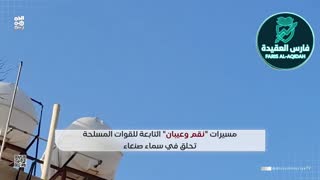
اللافت في العملية لم يكن فقط وصول الطائرات إلى محيط العاصمة المختطفة، بل ظهور إحداها في سماء صنعاء خلال ساعات النهار، حيث تمكن سكان من تصويرها، قبل أن تحدد "شيبا إنتليجنس" هويتها باعتبارها طائرة "سكاي واسب" الهجومية أحادية الاتجاه بعيدة المدى، والتي سبق أن ربطتها الوكالة ببرنامج الطائرات المسيرة الناشئ لدى القوات الحكومية اليمنية.
وتشير المعطيات إلى أن العملية حملت، إلى جانب بعدها الهجومي، جانبًا استخباريًا محتملًا؛ إذ قد يتيح مسار الطائرة ورصد استجابة الدفاعات الجوية جمع معلومات عن آليات الكشف والاعتراض ومواقع انتشارها، بما يساعد على بناء صورة أدق عن منظومة الدفاع الحوثية.
ويرى مراقبون أن أهمية العملية تتجاوز حدود الضربات التي نُفذت في محيط صنعاء، لتكشف عن انتقال تدريجي في أدوات المواجهة الجوية، مع دخول قدرات هجومية بعيدة المدى إلى ساحة القتال، وقدرتها على الوصول إلى عمق المناطق المنكوبة بالمليشيا واستهداف منشآت مرتبطة بأهم قدراتها الصاروخية والجوية.
صعوبة التجنيد
تواجه مليشيا الحوثي صعوبة متزايدة في استقطاب مجندين جدد؛ ففي المحافظات التي اعتمدت عليها في حملات التجنيد، تتزايد مؤشرات العزوف عن الالتحاق بصفوفها، بالتزامن مع تصاعد الخسائر البشرية في صفوفها، ما يصعب عليها تعويض خسائرها البشرية، ولا تبدو هذه الصعوبة منفصلة عن التطورات الميدانية الأخيرة، خصوصًا مع اتساع نطاق استخدام القوات الحكومية للطيران المسيّر في تعقب عناصر المليشيا وآلياتها واستهداف تجمعاتها ومواقعها في مختلف الجبهات.
وخلال أغسطس2026، ظهرت المسيّرات الحكومية بصورة متكررة في مشاهد نشرها المركز الإعلامي للقوات المسلحة، وهي تتعقب آليات حوثية وتستهدف تجمعات وعناصر في أكثر من جبهة، حيث شملت العمليات مناطق في مأرب وتعز وصعدة وحجة، فيما أظهرت مشاهد أخرى استهداف آليات وتجمعات حوثية على الساحل الغربي، إلى جانب عمليات في الضالع والبيضاء وجبهات أخرى.
ولا تكمن أهمية هذه العمليات في حجم الخسائر التي تعلنها القوات الحكومية عقب كل ضربة، بل في تأثيرها المباشر على القوة البشرية للمليشيا وقدرتها على الحفاظ على عناصرها في الجبهات، فاستمرار عمليات الرصد والاستهداف الجوي يرفع مستوى المخاطر التي يواجهها عناصر المليشيا، ويجعل التحرك والتمركز في المواقع أكثر صعوبة، كما يزيد من الضغوط التي تواجهها في الحفاظ على عناصرها وتعويض خسائرها البشرية.
تفيد مصادر مطلعة لـ "الساحل الغربي"، إن المشاهد التي تبثها القوات المسلحة اليمنية لعمليات الاستهداف أصبحت حاضرة في أحاديث المجندين والوسطاء المحليين، وإن رؤية الآليات وهي تُستهدف من الجو تثير مخاوف لدى بعض الشباب الذين يجري استقطابهم للالتحاق بصفوف المليشيا. وتؤكد المصادر أن الخوف لم يعد مرتبطًا بما يسمعه الشاب عن مخاطر القتال، وإنما بما يراه بصورة مباشرة في تسجيلات تظهر كيفية تعقب عناصر المليشيا والآليات واستهدافها.
هكذا تحولت المسيّرة من أداة قتالية إلى عامل نفسي أيضًا، فالمجند الذي يعرف أن تحركه قد يكون مرصودًا، وأن الطقم الذي يستقله قد يصبح هدفًا، يواجه مستوى مختلفًا من الضغط مقارنة بمن يقاتل في جبهة لا يمتلك فيها خصمه قدرة مستمرة على الرصد والاستهداف، وقد أظهرت تحليلات أن مشاهد المسيّرات الحكومية، ولا سيما عمليات تعقب الأهداف المتحركة، تحمل أثرًا تكتيكيًا ونفسيًا على خطوط التماس.
يأتي ذلك في وقت تحاول فيه المليشيا تعويض خسائرها البشرية بحملات تجنيد جديدة في عدد من المحافظات، غير أن ارتفاع مستوى الخطر في الجبهات يجعل عملية الاستقطاب أكثر صعوبة؛ فالشاب الذي يُطلب منه الذهاب إلى الجبهات يستطيع اليوم أن يرى بنفسه نوع العمليات التي تنتظره، وأن يقارن بين الوعود الزائفة التي تقدم له وبين مصير مجندين سبقوه.
الفرار.. خسارة لا تنتهي
لا تتوقف مشكلة مليشيا الحوثي عند صعوبة استقطاب عناصر جديدة؛ فالجماعة تواجه حالات فرار من الجبهات، في مؤشر يضيف ضغطًا آخر على منظومة تعتمد على تدفق بشري مستمر لإبقاء جبهاتها مأهولة.
ويمثل المقاتل الفار خسارة مزدوجة للمليشيا، فهي تفقد عنصرًا موجودًا بالفعل في الجبهة، بعد أن أنفقت موارد على استقطابه ونقله وتسليحه وإبقائه في موقعه، وتضطر في الوقت ذاته إلى البحث عن مقاتل آخر لسد الفراغ الذي تركه؛ لكن الخسارة الأهم قد تتجاوز الحساب المباشر، لأن العائد إلى قريته لا يعود خالي اليدين؛ بل يحمل معه تجربة مباشرة عن واقع الجبهة.
وتؤكد مصادر لـ "الساحل الغربي" أن بعض الفارين يتعرضون للملاحقة والضغط بعد عودتهم إلى مناطقهم، في محاولة لمنع انتشار أخبار الفرار والظروف التي يعيشها المقاتلون، لكن السيطرة على المقاتل لا تعني بالضرورة السيطرة على تجربته؛ فما يرويه لأسرته وأقاربه وأبناء قبيلته يمكن أن يتحول إلى معرفة اجتماعية تتجاوز حدود شخص واحد.
وتتضاعف المشكلة عندما تتزامن حالات الفرار مع عمليات الاستهداف الجوي، فالمجند الذي يرى آلية حوثية تُدمّر أمامه من الجو، ثم يسمع عن فرار مقاتلين من جبهة أخرى، يواجه صورة أكثر قتامة عن البقاء في صفوف المليشيا، ومع تراكم هذه التجارب، تصبح الجبهة مصدر للخوف ينتقل تأثيره إلى القرى والأسر التي تعتمد عليها المليشيا في التجنيد.
يرى خبراء عسكريون أن الطيران المسيّر أصبح من أهم الأدوات التي تمتلكها القوات المسلحة، لأنه قلّص الفجوة الناتجة عن غياب الطيران النفاث، وأتاح مهام الاستطلاع والرقابة والرصد والتعقب وتنفيذ الهجمات والوصول إلى خلف خطوط الخصم، مشيرين إلى أن دخول هذه القدرة أنهى احتكار الحوثيين لسلاح الطيران المسيّر.
وتكمن أهمية هذا التطور في أنه يضيف قدرة عسكرية جديدة إلى القوات الحكومية، ويغيّر طبيعة العمليات في الجبهات، مع توسع قدرات الرصد والاستهداف الجوي لمواقع وتحركات مليشيا الحوثي، ويزيد ذلك من مستوى المخاطر التي تواجه عناصر المليشيا، ويحد من قدرتها على التحرك والتمركز بأمان، في وقت تتداخل فيه نتائج العمليات الميدانية مع تأثيراتها النفسية على الشباب الذين تستهدفهم حملات التجنيد.
المسيّرة تغيّر المعادلة
لأعوام طويلة، اتسم أداء القوات الحكومية في كثير من الجبهات بطابع دفاعي، يقوم على صد هجمات مليشيا الحوثي الإرهابية والحفاظ على خطوط التماس ومنع اختراق المواقع، فيما التطورات الأخيرة تظهر استخدامًا مختلفًا للمسيّرات، يشمل الرصد، التعقب، اختيار الهدف، ثم الضرب في الوقت والمكان المناسبين.
وهذا التحول ظهر بوضوح عندما توالت مشاهد استهداف الآليات والتجمعات الحوثية في الساحل الغربي وتعز، ومأرب وحجة وصعدة والضالع والبيضاء، حيث أظهرت المشاهد في إحدى العمليات تعقب آليات حوثية قبل استهدافها، بينما وثقت مشاهد أخرى ضرب تجمعات وعناصر ومعدات تستخدم في التحصين.
وهذا يعني أن المسيّرة لا تعمل منفردة؛ إذ تظهر قيمتها العسكرية الحقيقية عندما ترتبط بمنظومة رصد واتصال وقرار ميداني، فكلما قصرت المدة بين اكتشاف الهدف واستهدافه، زادت فرصة إصابته قبل أن يغيّر موقعه أو يختبئ.
ومن هذه الزاوية، يمثل انتشار المسيّرات الحكومية تحولًا من استنزاف ثابت على خطوط التماس إلى استنزاف متحرك، حيث وسعت هذه القدرة نطاق المهام التي تستطيع القوات المسلحة تنفيذها في مناطق المواجهة وخلف خطوط الخصم، وهو ما يمنحها قدرة أكبر على الضغط على المليشيا وليس الدفاع أمامها.
معركة استنزاف طويلة
يقول مراقبون إن استمرار القوات الحكومية في استخدام الطيران المسيّر بوتيرة متصاعدة قد يتجاوز أثره نتائج الضربات المباشرة، ليؤثر في طريقة إدارة مليشيا الحوثي لجبهاتها وتحركاتها الميدانية، ومع اتساع نطاق الرصد والاستهداف، قد تضطر المليشيا إلى تقليل تجمعات عناصرها وآلياتها، وتغيير مسارات الإمداد والتحرك، واتخاذ إجراءات إضافية لإخفاء مواقعها، ما يفرض عليها كلفة عملياتية أكبر ويستنزف وقتًا وموارد إضافية.
ويؤكدون أنه كلما اضطرت المليشيا إلى تشتيت عناصرها وآلياتها خشية الرصد والاستهداف، تراجعت قدرتها على الحشد السريع وتنفيذ الهجمات المنظمة، في حين يمنح استهداف الأهداف المتحركة القوات الحكومية قدرة أكبر على الضغط على مواقع المليشيا دون الحاجة إلى خوض اشتباكات برية مباشرة في كل مرة.
وتبرز هنا أهمية الاستنزاف البشري على وجه الخصوص؛ فالخسائر لا تقتصر على المعدات والآليات، وإنما تمتد إلى العناصر والقادة ذوي الخبرة الذين يصعب تعويضهم بالسرعة ذاتها.. ويشير مراقبون إلى أن تزامن هذا الاستنزاف مع صعوبة استقطاب مجندين جدد وتزايد حالات الفرار من الجبهات، قد يحوّل الخسائر المتفرقة تدريجيًا إلى أزمة في قدرة المليشيا على إعادة إنتاج قوتها العسكرية والحفاظ على جاهزيتها القتالية.
وبحسب كثيرين فإنه كلما اتسعت الفجوة بين الخسائر البشرية وقدرة المليشيا على تعويضها، تزداد الضغوط على بنيتها العسكرية، وتتراجع قدرتها على الحفاظ على الكثافة البشرية اللازمة للجبهات، بما قد ينعكس تدريجيًا على مستوى جاهزيتها وقدرتها على مواصلة العمليات القتالية بالوتيرة ذاتها.
 VIDEO
VIDEO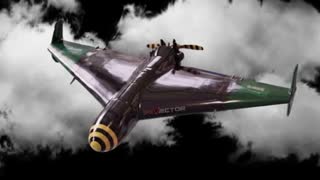 IMAGE
IMAGE IMAGE
IMAGE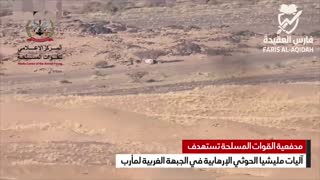 VIDEO
VIDEO IMAGE
IMAGE IMAGE
IMAGE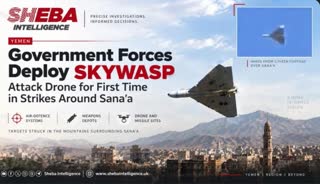 IMAGE
IMAGE IMAGE
IMAGE IMAGE
IMAGE IMAGE
IMAGE