In the name of Allah, the Most Gracious, the Most Merciful Praise be to Allah, and peace and blessings be upon the Messenger of Allah. To proceed: The father, Sheikh Yahya bin Ali al-Hajuri, may Allah preserve him, was asked regarding reciting supplications of qunut against the Rafida and their supporters in the five daily prayers. He replied: Yes, this is prescribed.
For in these days, the Rafida, may Allah disgrace them, have dared against the sanctities and inviolabilities of the Muslims, who are in affliction, ordeal, and plot from the Rafida and their supporters, especially Ahl al-Sunnah in the Yemeni lands. Allah, Mighty and Majestic, has rebuked whoever does not supplicate humbly to Him, saying: {And We had already sent [messengers] to nations before you, and We seized them with poverty and hardship that perhaps they might humble themselves. Then why, when Our punishment came upon them, did they not humble themselves? But their hearts became hardened, and Satan made attractive to them that which they were doing.} And the Exalted said: {And We had already seized them with punishment, but they did not submit to their Lord, nor did they humble themselves.} Reciting qunut during calamities on behalf of oppressed people or against criminal people is an enactment of the Sunnah of the Messenger of Allah, peace and blessings of Allah be upon him, just as he recited qunut against those who unjustly killed the reciters. On the authority of Anas bin Malik, may Allah be pleased with him: "The Prophet, peace and blessings of Allah be upon him, recited qunut for a month, invoking curses upon Ri'l, Dhakwan, and Usayyah, who disobeyed Allah and His Messenger." Agreed upon. And Al-Bukhari, may Allah have mercy on him, narrated in his Sahih:
From the hadith of Abu Huraira, may Allah be pleased with him: "Whenever the Prophet, peace and blessings of Allah be upon him, said, 'Allah hears whoever praises Him,' in the last rak'ah of the Isha prayer, he would recite qunut: 'O Allah, rescue Ayyash bin Abi Rabi'ah, O Allah, rescue Al-Walid bin Al-Walid, O Allah, rescue Salamah bin Hisham, O Allah, rescue the oppressed among the believers, O Allah, intensify Your grip upon Mudar, O Allah, make it upon them years like the years of Joseph.'" Shaykh al-Islam Ibn Taymiyyah, may Allah have mercy on him, said, as in Majmu' al-Fatawa:
"Thus, qunut is sunnah during calamities, and this position is what the jurists of the people of hadith uphold, and it is what is reported from the Rightly Guided Caliphs." And Ibn al-Qayyim, may Allah have mercy on him, said in Zad al-Ma'ad:
"His guidance, peace and blessings of Allah be upon him, was to recite qunut specifically during calamities and to omit it in their absence." Al-Nawawi, may Allah have mercy on him, said in Sharh Muslim:
"The correct and well-known position is that if a calamity befalls, such as an enemy, drought, epidemic, thirst, apparent harm to the Muslims, and the like, they recite qunut in all the obligatory prayers." And with Allah is success. Friday night 14 Rabi' al-Thani 1448 AH. Transcribed by: Ibrahim bin Yahya al-Hajuri. *
بسم الله الرحمن الرحيم
الحمدلله والصلاة والسلام على رسول الله أما بعد:
سُئِل الوَالِد الشَّيخ يحيىٰ بن عَلِي الحجُورِي حَفِظهُ الله عَنْ القُنُوت على الرافضة وأعوانهم فِي الصَّلَوَات الخَمْس .
فأجاب: نعم هذا مشروع
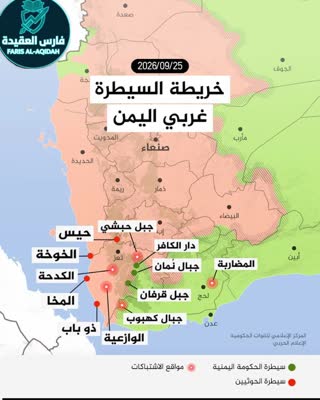
ففي هذه الأيام تجرأ الرافضة أخزاهم الله على مقدسات المسلمين وحرماتهم فهم في بلاء ومحنة ومكر بهم من الرافضة وأعوانهم خصوصا أهل السنة في البلاد اليمنية وقد ذم الله عزوجل من لم يتضرع إليه فقال:
﴿وَلَقَد أَرسَلنا إِلى أُمَمٍ مِن قَبلِكَ فَأَخَذناهُم بِالبَأساءِ وَالضَّرّاءِ لَعَلَّهُم يَتَضَرَّعونَ فَلَولا إِذ جاءَهُم بَأسُنا تَضَرَّعوا وَلكِن قَسَت قُلوبُهُم وَزَيَّنَ لَهُمُ الشَّيطانُ ما كانوا يَعمَلونَ﴾
وقال تعالى:
﴿وَلَقَد أَخَذناهُم بِالعَذابِ فَمَا استَكانوا لِرَبِّهِم وَما يَتَضَرَّعونَ﴾
والقنوت في النوازل لقومٍ مستضعفين أو على قومٍ مجرمين عملٌ بسنة رسول الله ﷺ كما قنت على الذين قتلوا القراء ظلماً .
فعن أَنَسِ بْنِ مَالِكٍ رضي الله عنه: "أَنَّ النَّبِيَّ ﷺ قَنَتَ شَهْرًا يَلْعَنُ رِعْلاً وَذَكْوَانَ وَعُصَيَّةَ عَصَوُا اللَّهَ وَرَسُولَهُ " متفق عليه
وأخرج البخاري رحمه الله في صحيحه:
مِن حَديث أَبِي هُرَيْرَةَ - رضي الله عنه -: "أَنَّ النَّبِيَّ - ﷺ - كَانَ إِذَا قَالَ سَمِعَ اللَّهُ لِمَنْ حَمِدَهُ فِي الرَّكْعَةِ الْآخِرَةِ مِنْ صَلَاةِ الْعِشَاءِ قَنَتَ اللَّهُمَّ أَنْجِ عَيَّاشَ بْنَ أَبِي رَبِيعَةَ اللَّهُمَّ أَنْجِ الْوَلِيدَ بْنَ الْوَلِيدِ اللَّهُمَّ أَنْجِ سَلَمَةَ بْنَ هِشَامٍ اللَّهُمَّ أَنْجِ الْمُسْتَضْعَفِينَ مِنَ الْمُؤْمِنِينَ اللَّهُمَّ اشْدُدْ وَطْأَتَكَ عَلَى مُضَرَ اللَّهُمَّ اجْعَلْهَا عَلَيْهِمْ سِنِينَ كَسِنِي يُوسُفَ "
قال شيخ الإسلام ابن تيمية رحمه الله كما في مجموع الفتاوى:
"فيكون القنوت مسنونًا عند النوازل، وهذا القول هو الذي عليه فقهاء أهل الحديث، وهو المأثور عن الخلفاء الراشدين"
وقال ابن القيم رحمه الله في زاد المعاد:
"وكان هديه - ﷺ - القنوت في النوازل خاصة، وترْكَه عند عدمها "
قال النووي رحمه الله في شرح مسلم:
"والصحيح المشهور أنه إذا نزلت نازلة كعدو وقحط ووباء وعطش وضرر ظاهر بالمسلمين ونحو ذلك، قنتوا في جميع الصلوات المكتوبة
وبالله التوفيق
ليلة الجمعة
١٤ /ربيع الثاني/ ١٤٤٨هـ
نَقلهُ: إبراهيم بن يحيى الحجوري.
*